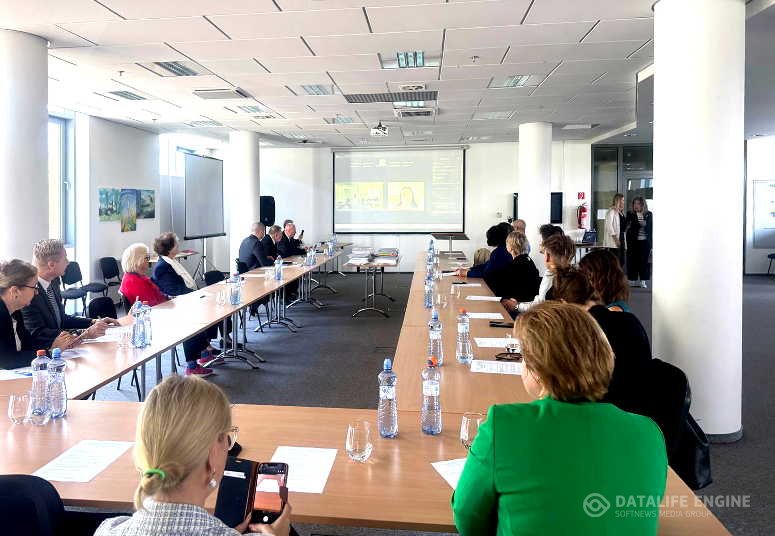
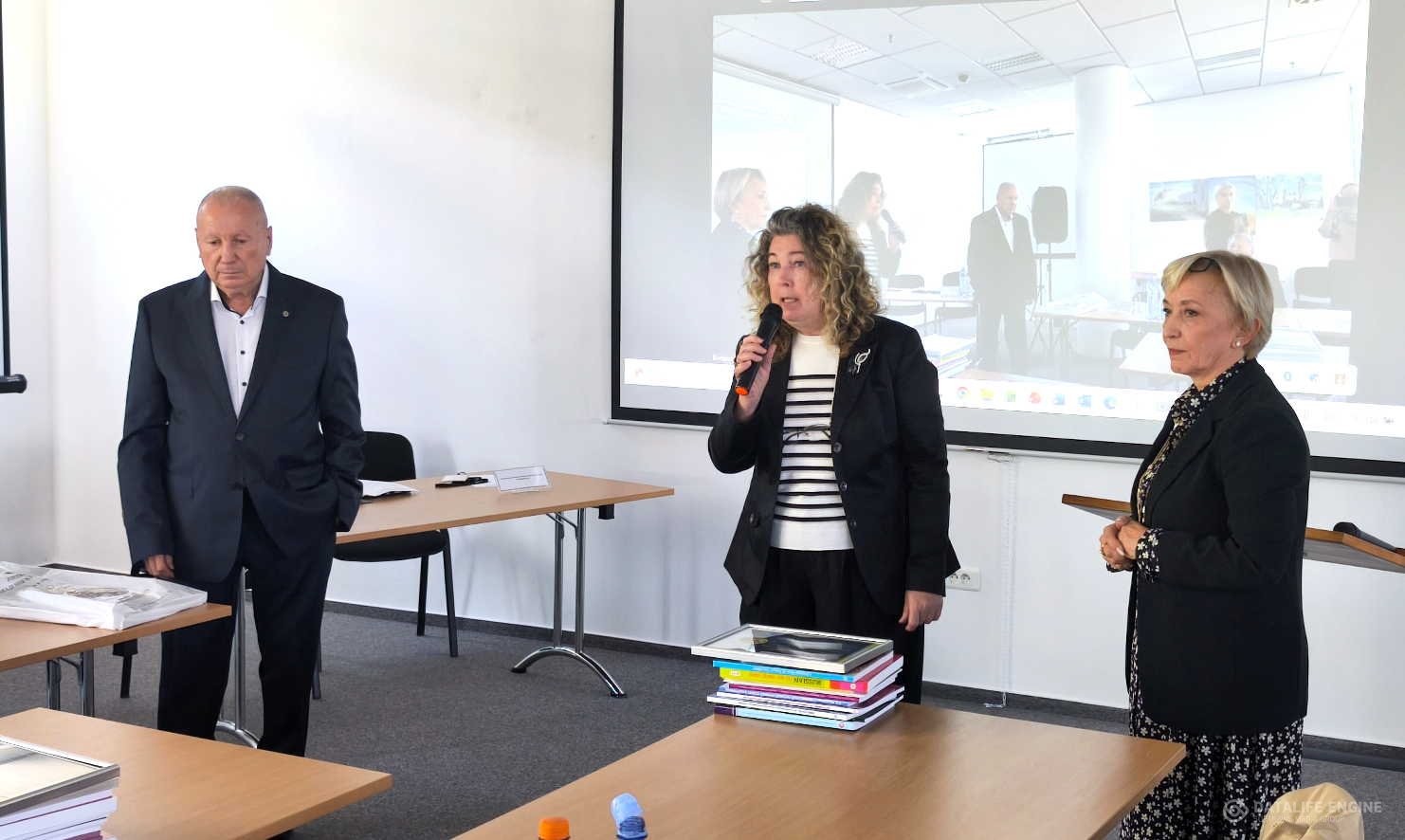
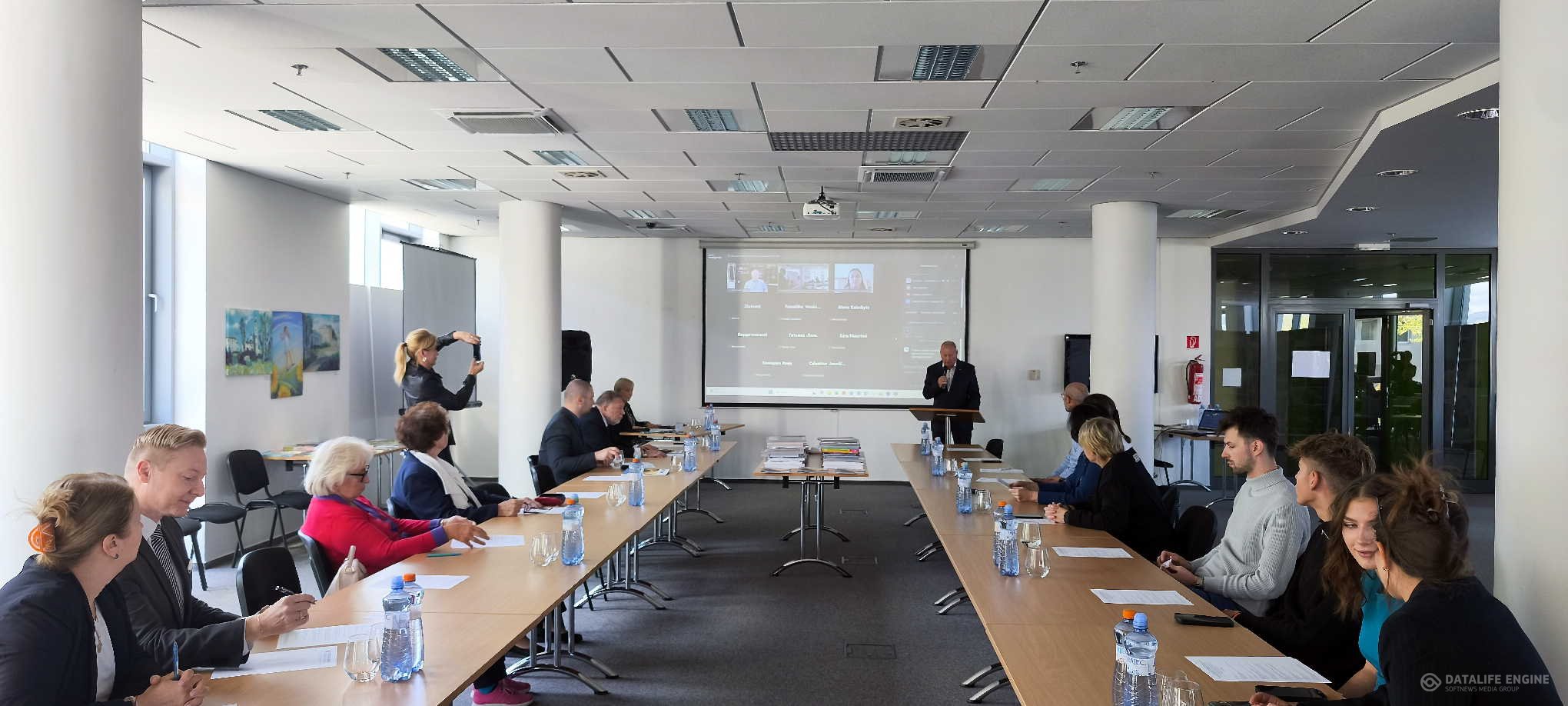
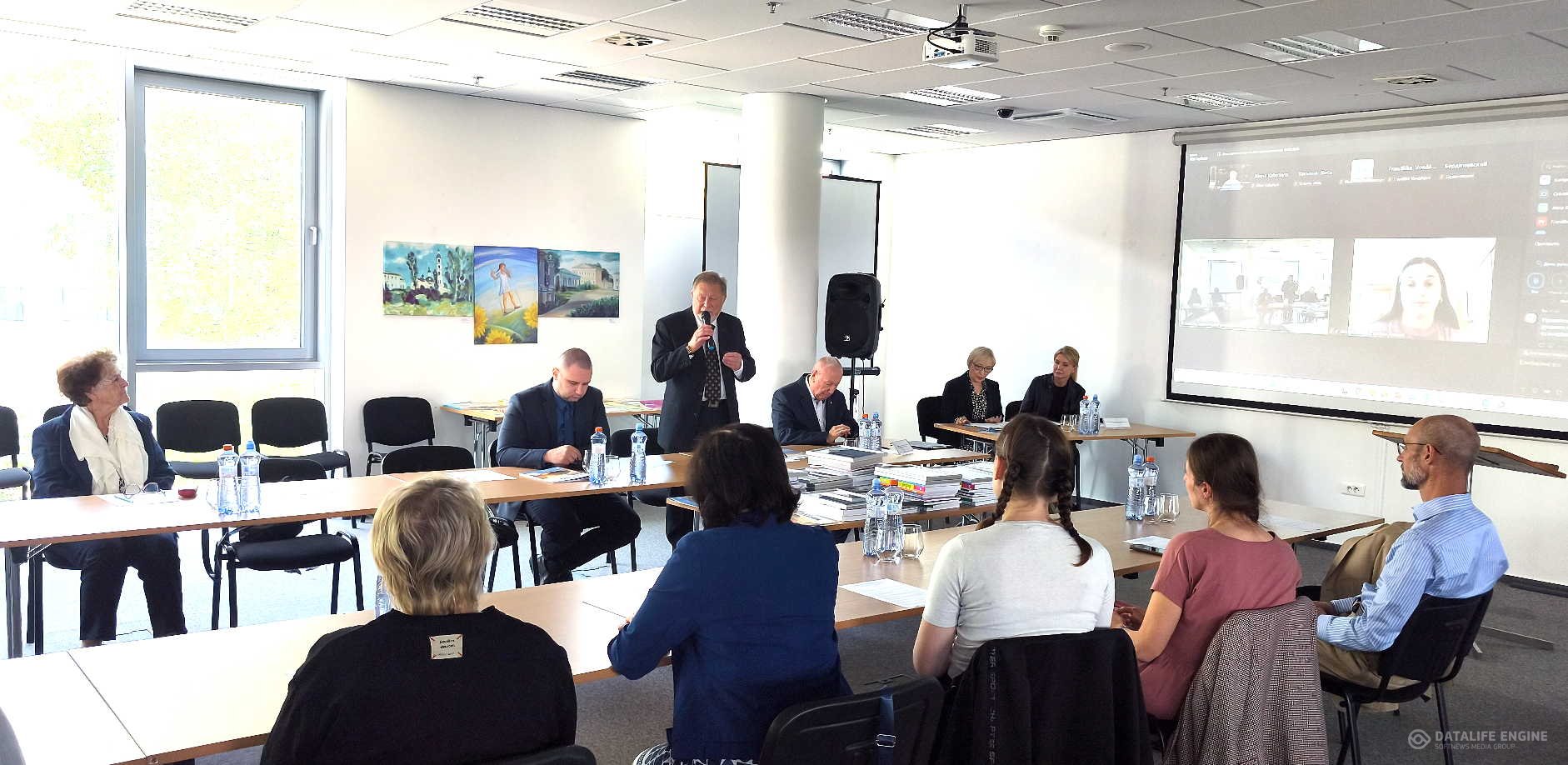
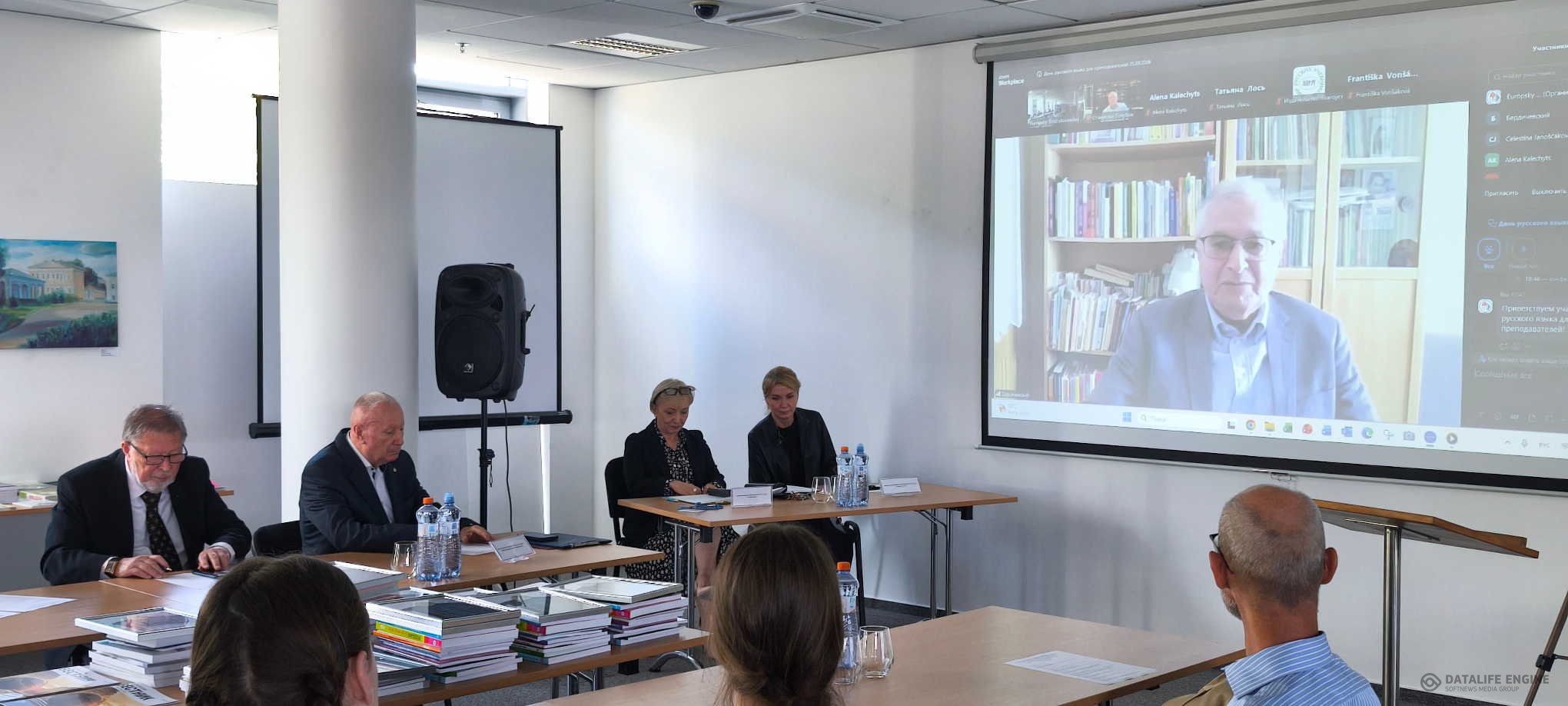
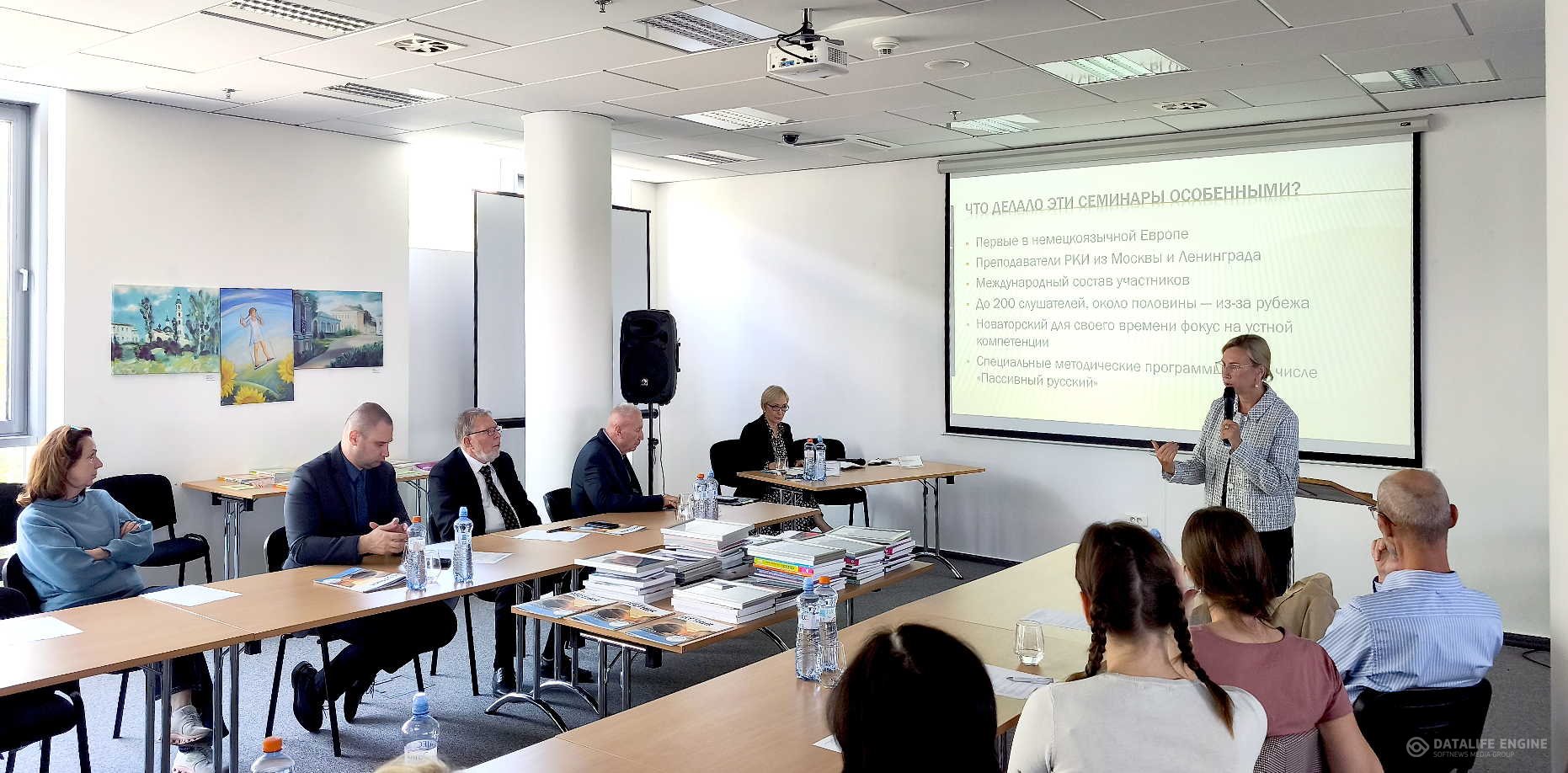
 On September 25, the traditional Russian Language Day was held in Bratislava, organized by the European Fund of Slavic Written Culture and Literature and the Russian Center. The gathering brought together Russian language teachers, methodologists, textbook authors, and language specialists from various countries.
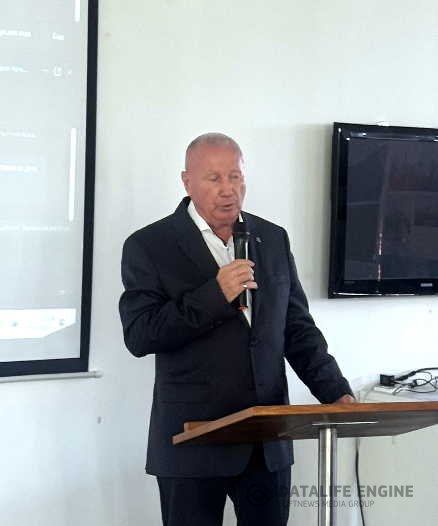
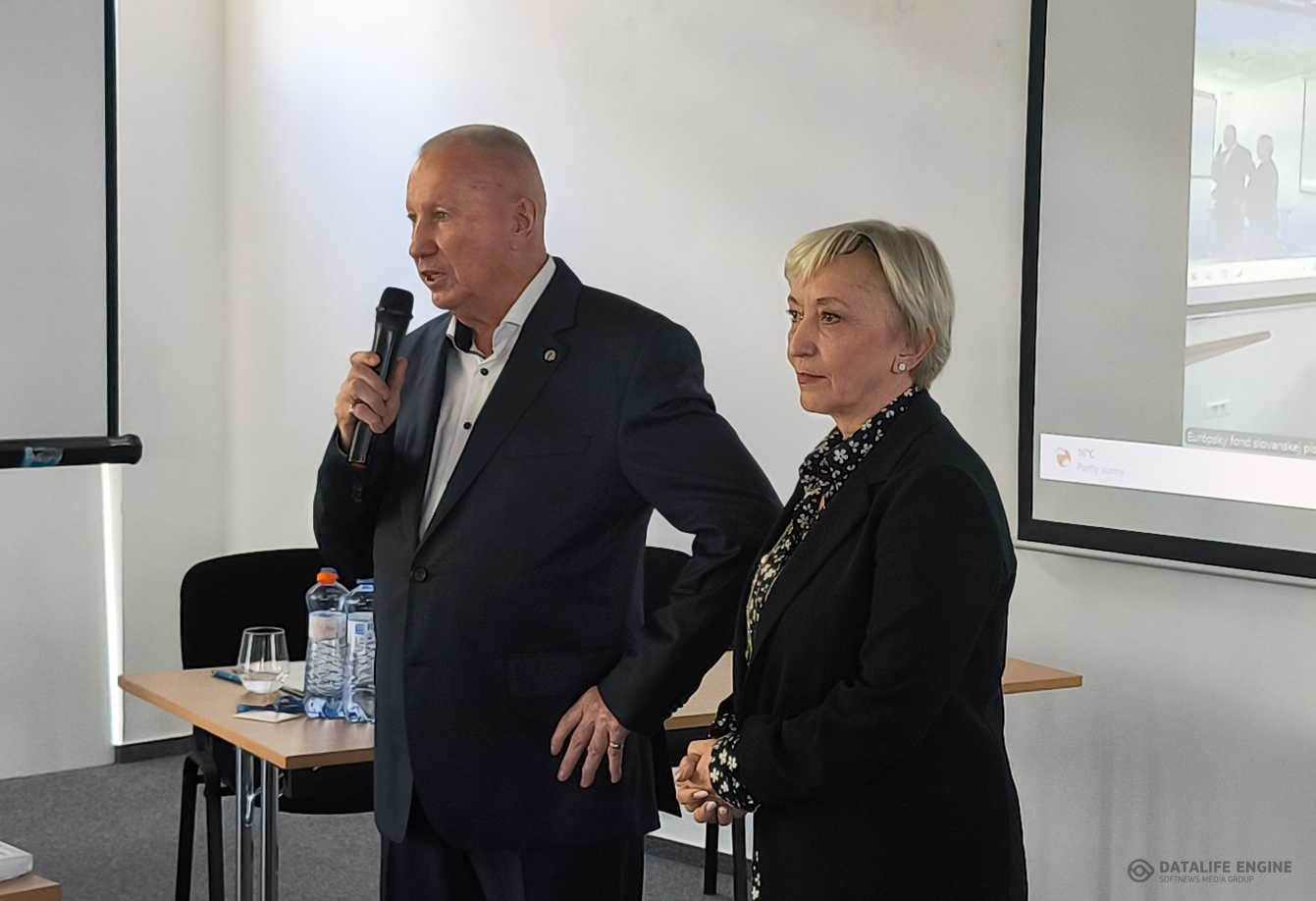
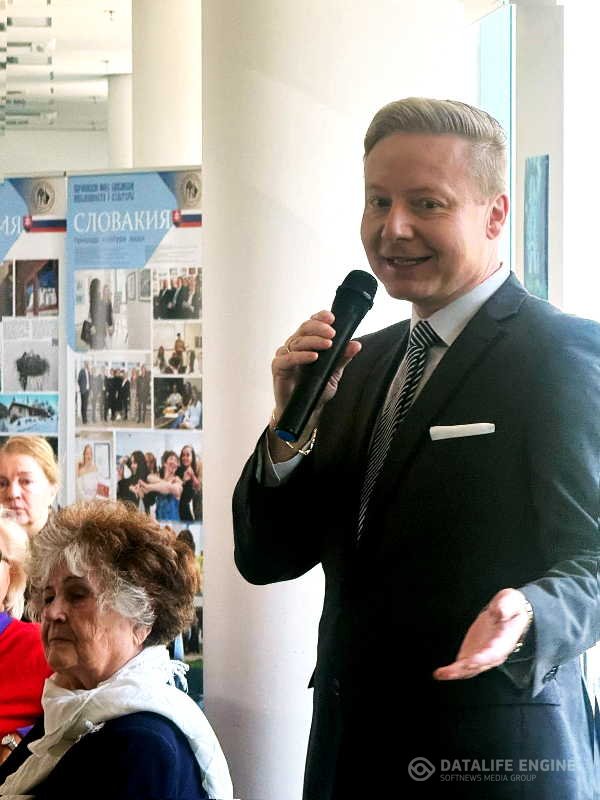
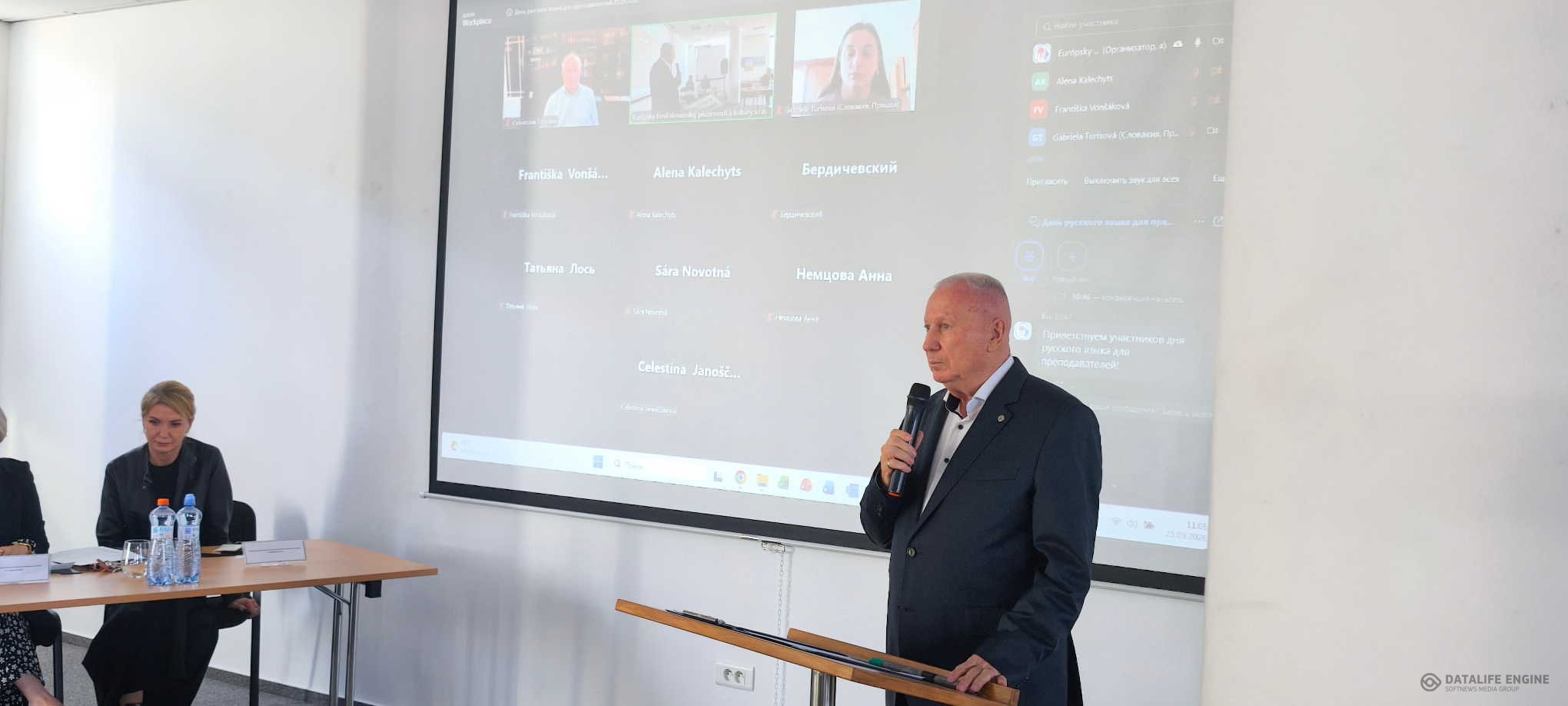
Opening the proceedings, Foundation President Prof. Igor Bondarenko welcomed attendees who traveled to Bratislava from across Slovakia, Austria, and Germany, as well as colleagues from Russia, Slovakia, Austria, and Kazakhstan who joined the session online. He highlighted that the tradition of Russian Language Days originally developed in partnership with Surgut State Pedagogical University. Over the years, the initiative has matured into an established forum for professional communication and pedagogical exchange.
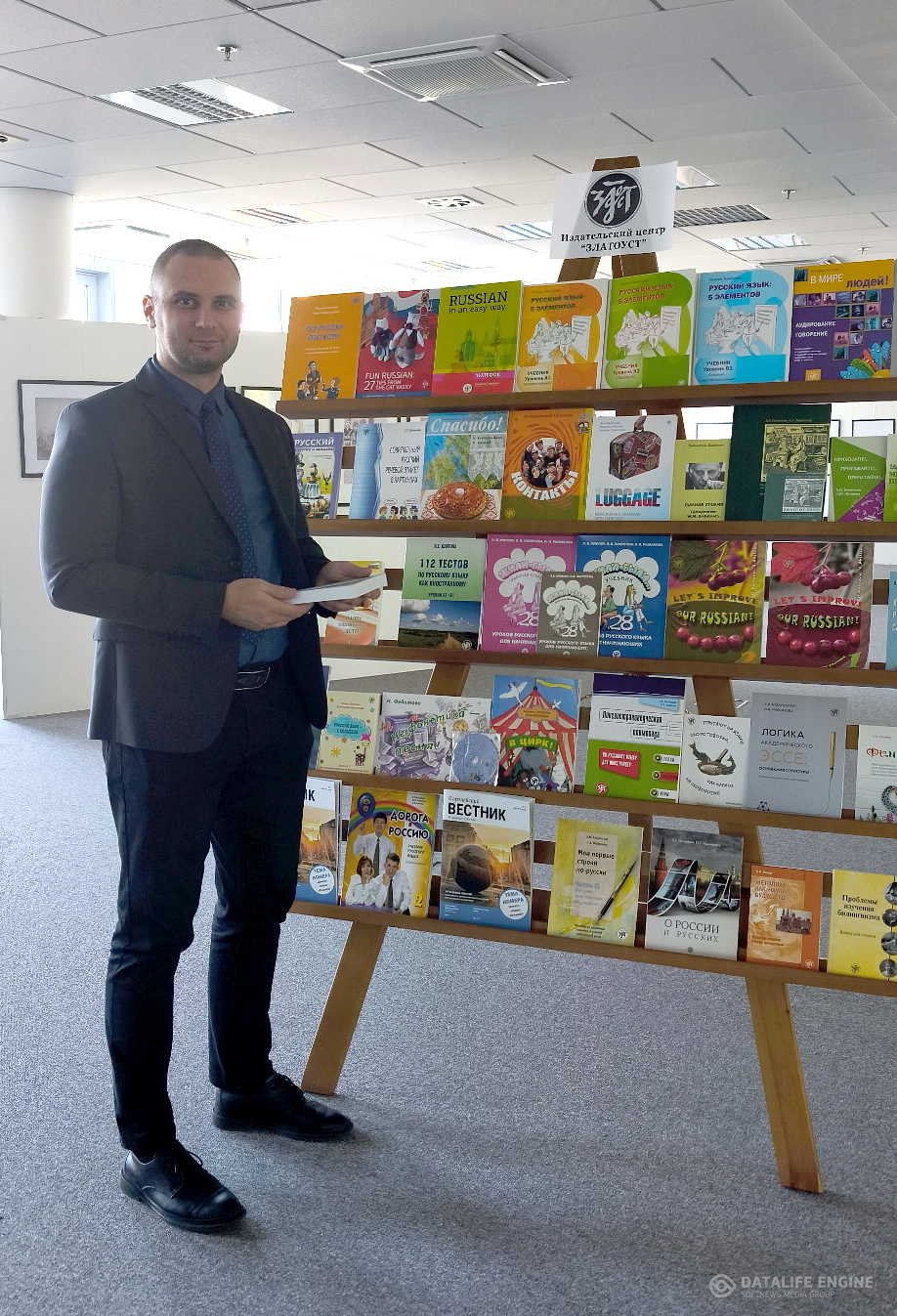
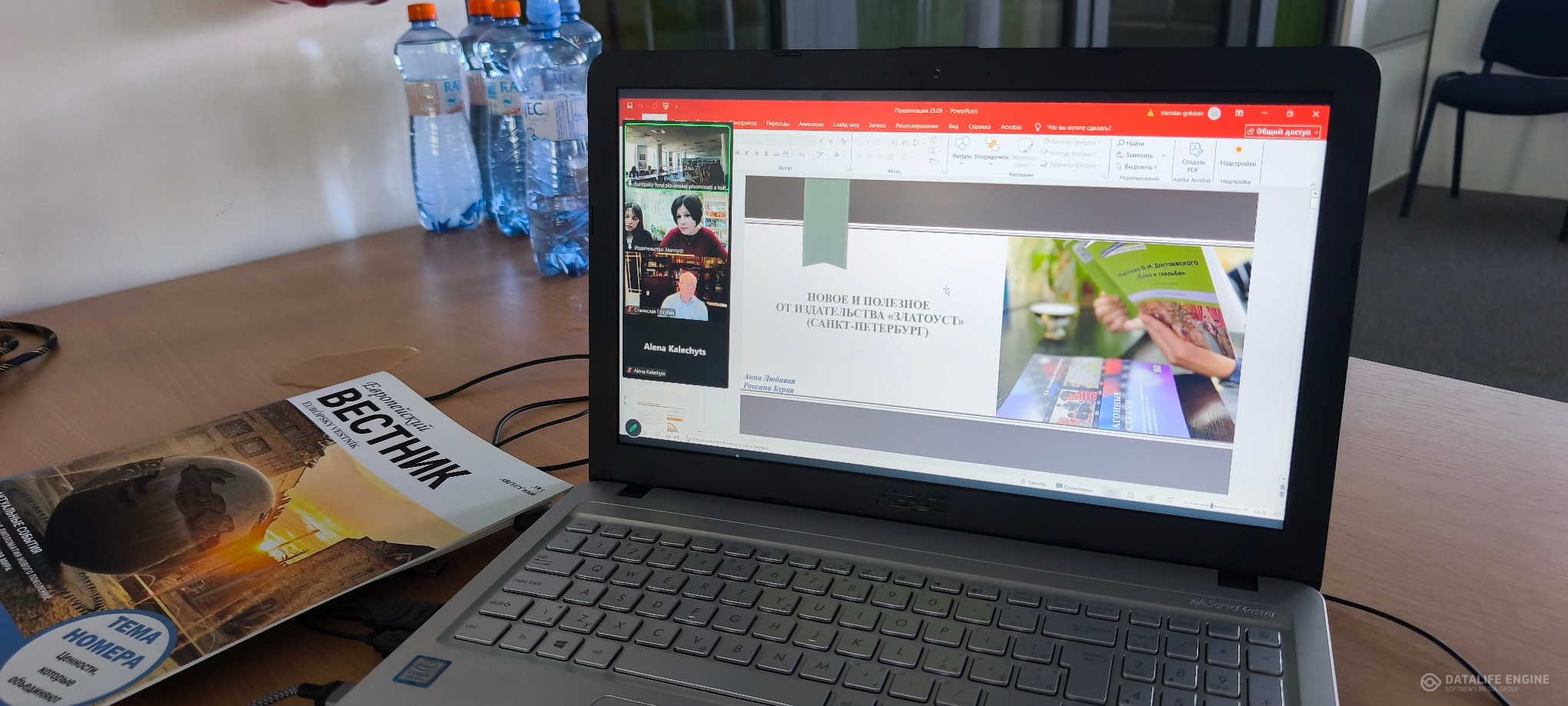
The central theme of this year’s meeting focused on contemporary instructional and methodological literature in the field of Russian as a Foreign Language (RFL). A highlight of the program was a dedicated session featuring the Zlatoust Publishing House, a specialist publisher in learning materials for students and instructors of RFL.
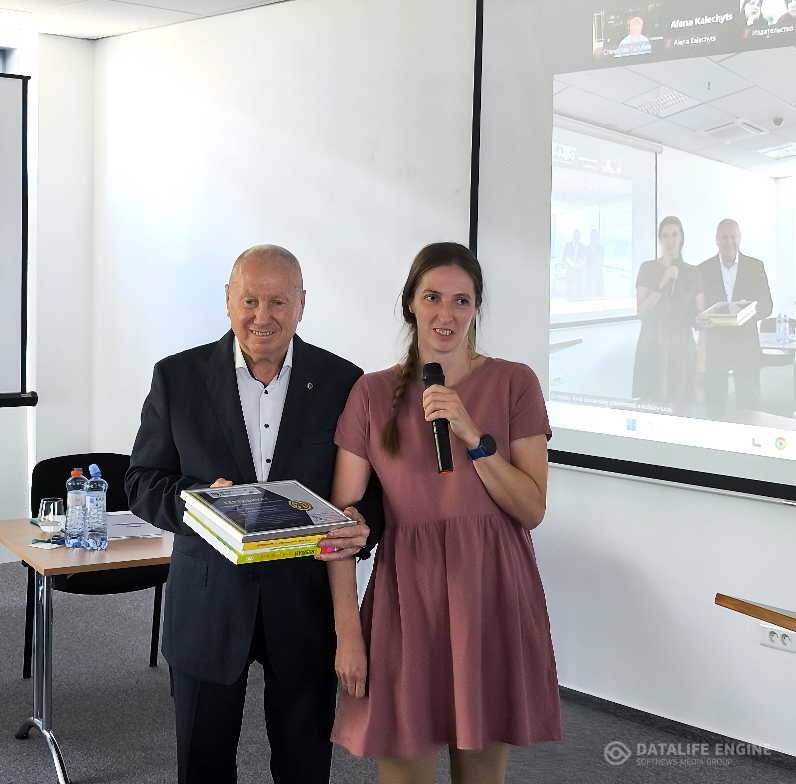
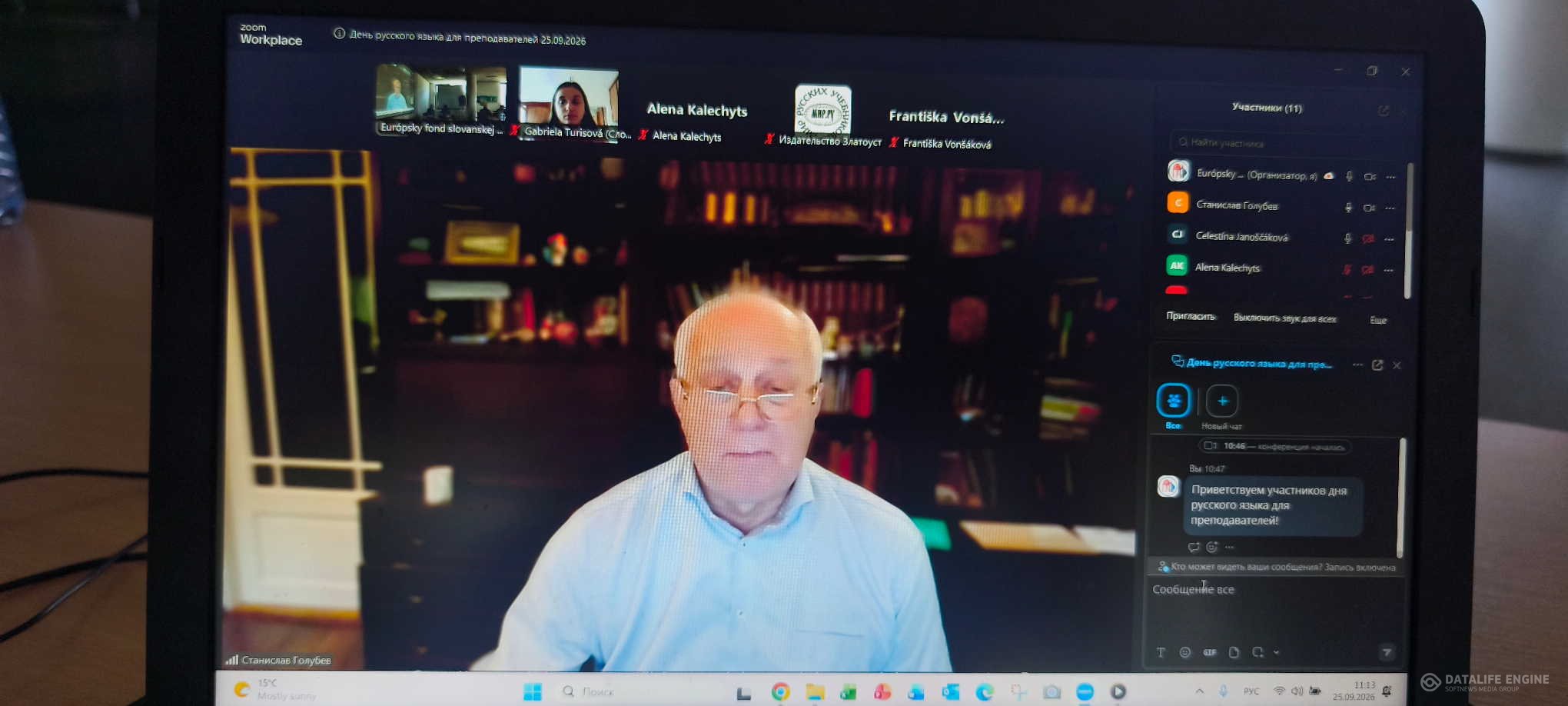
Stanislav Golubev, Director of Zlatoust, delivered opening remarks to the audience. A comprehensive overview of educational and methodological publications was presented by Anna Lyubivaya, Director of the Zlatoust Language School and RFL instructor. Roksana Buraya, Senior Sales Manager at the publishing house, outlined procurement and distribution opportunities for educators operating within European institutions.
A substantial portion of the agenda centered on professional insights and methodological practices in teaching Russian abroad.
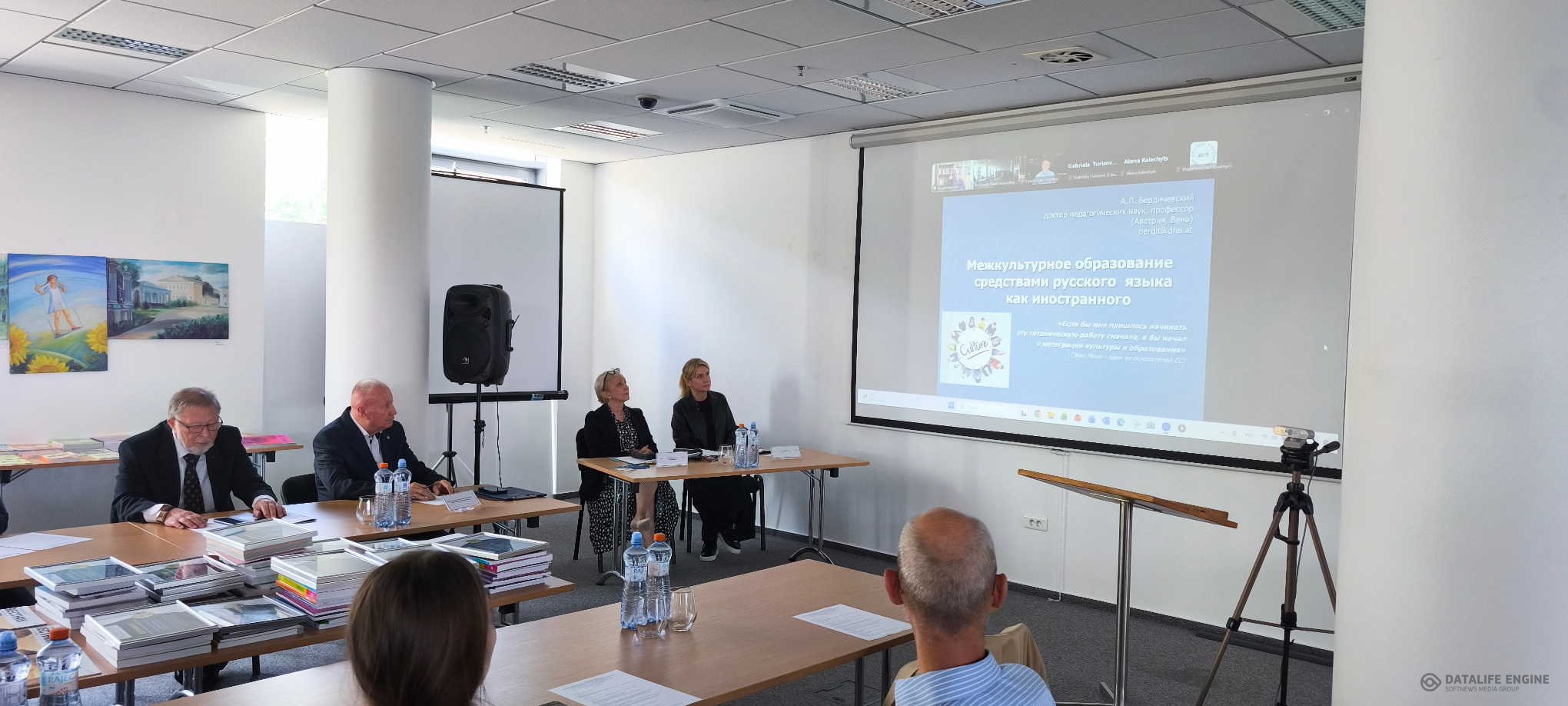
The keynote address was delivered by Prof. Anatoly Berdichevsky, Dr.Sc., director of European projects developing textbooks for RFL and bilingual learners. A distinguished scholar, methodologist, and author of numerous studies on language pedagogy, Prof. Berdichevsky presented modern methodological frameworks for teaching Russian outside the target language environment.
Pedagogical practices in Austria were highlighted by Tatiana Stadler, lecturer at the Vienna University of Economics and Business (WU Vienna), President of the Austrian Association for the Support of Russian Language and Culture, and author of RFL instructional materials.
The discussion was also joined by Yulia Mesarič, founder and director of the Russian School in Slovenia, teacher of Russian language and literature, speech therapist, bilingualism specialist, and author of study guides for bilingual children.
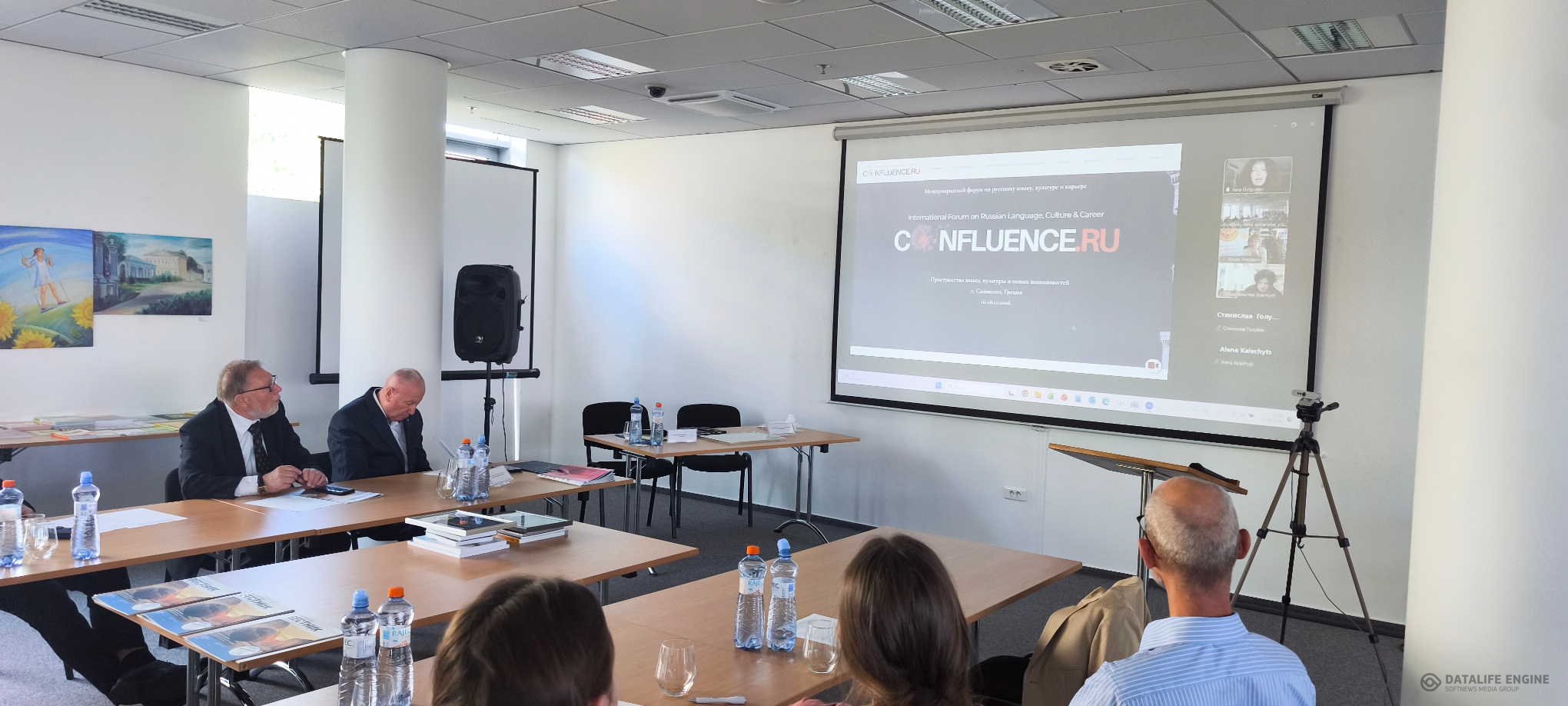
Dr. Vera Gülgüden, Deputy Director of the RUSMER Center for Russian Language and Culture in Ankara, outlined the upcoming program for the International Forum on Russian Language, Culture, and Career (CONFLUENCE.RU), scheduled to take place in Thessaloniki.
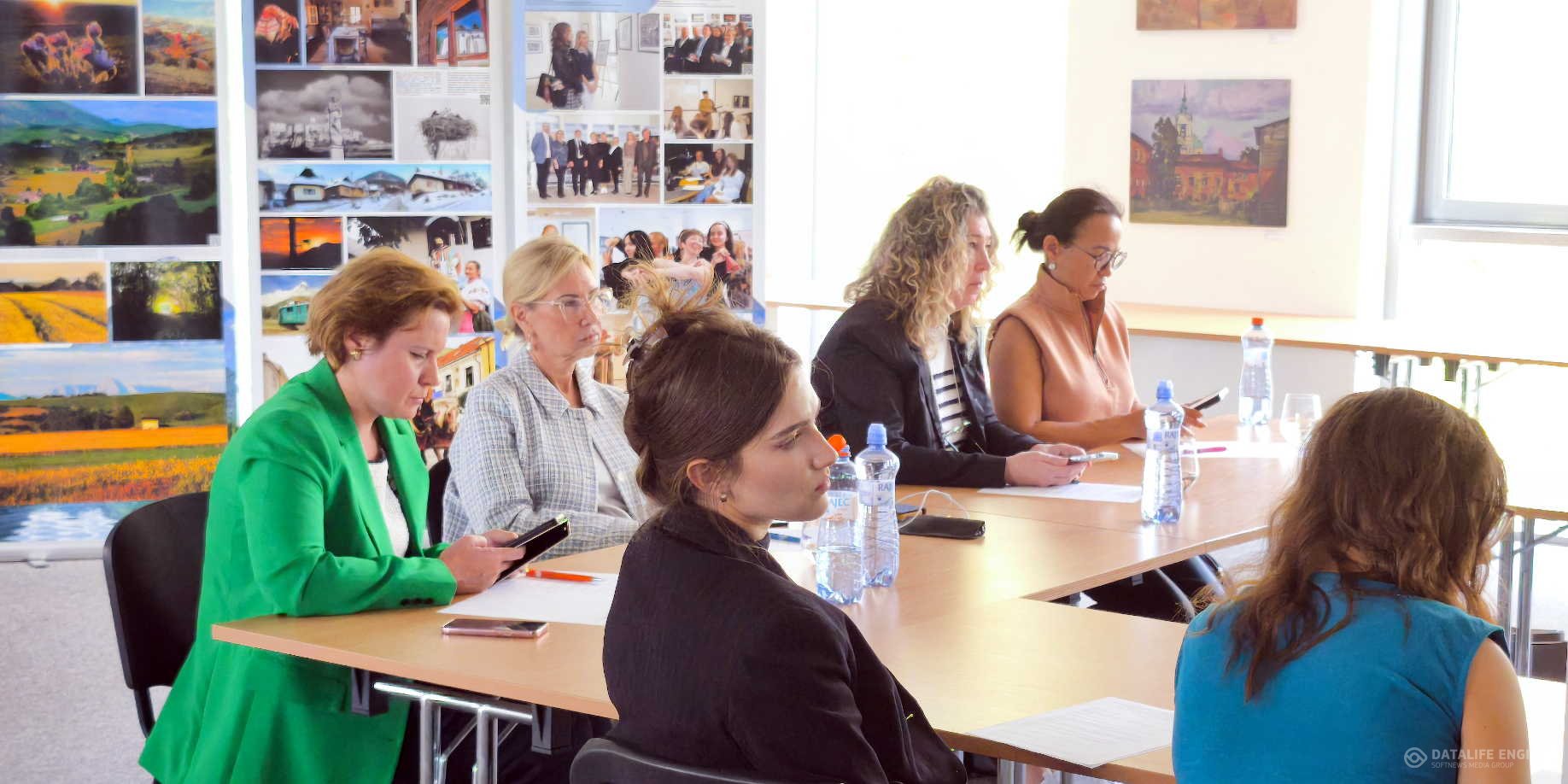
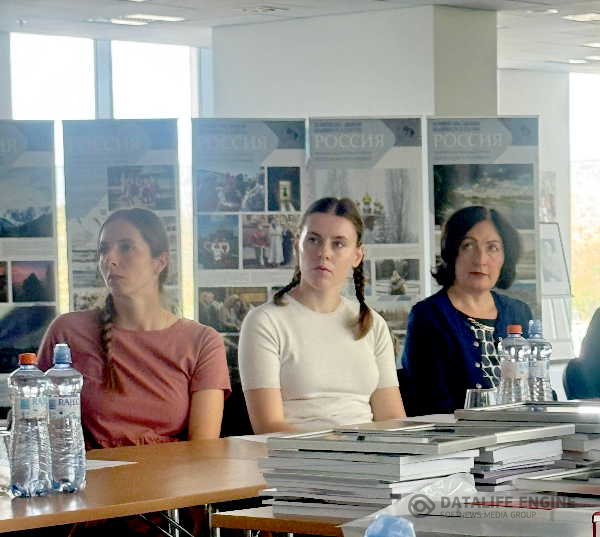
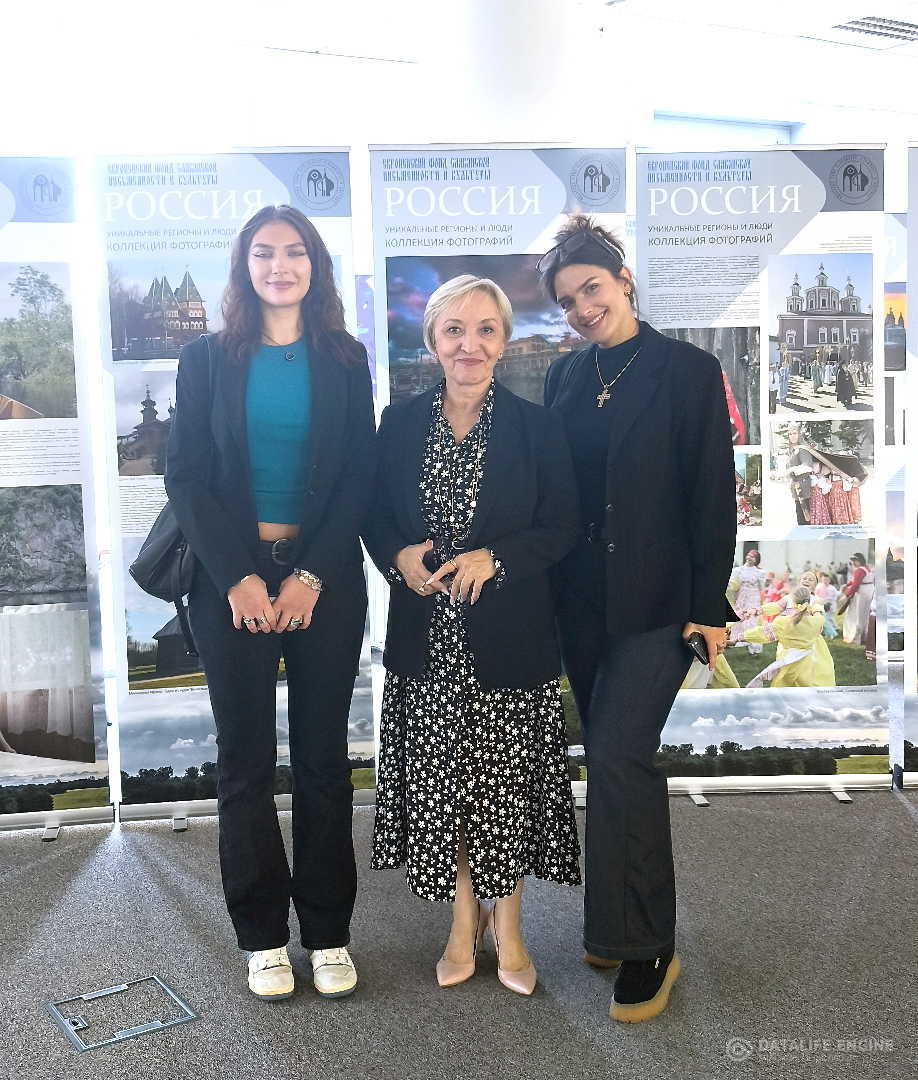
The participation of international specialists enabled rich discussion on the nuances of teaching Russian outside the home-language environment, current methodological paradigms, and field-tested strategies for working with diverse learner demographics. Hosted within the gallery premises of the European Fund, the event seamlessly brought together language, education, literature, and culture.
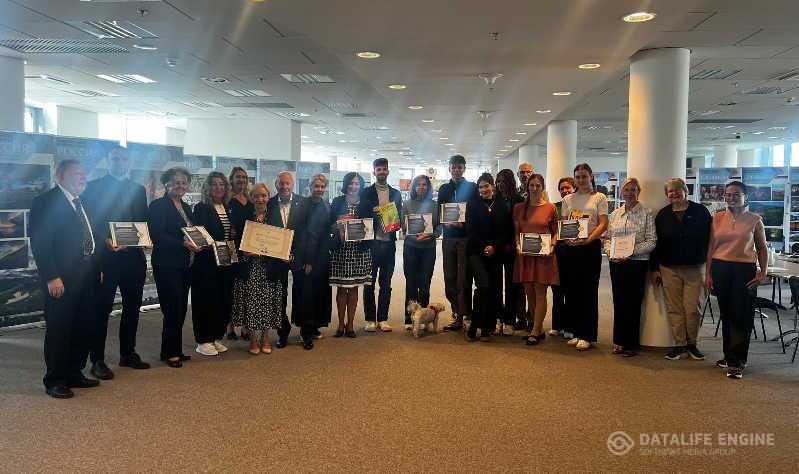
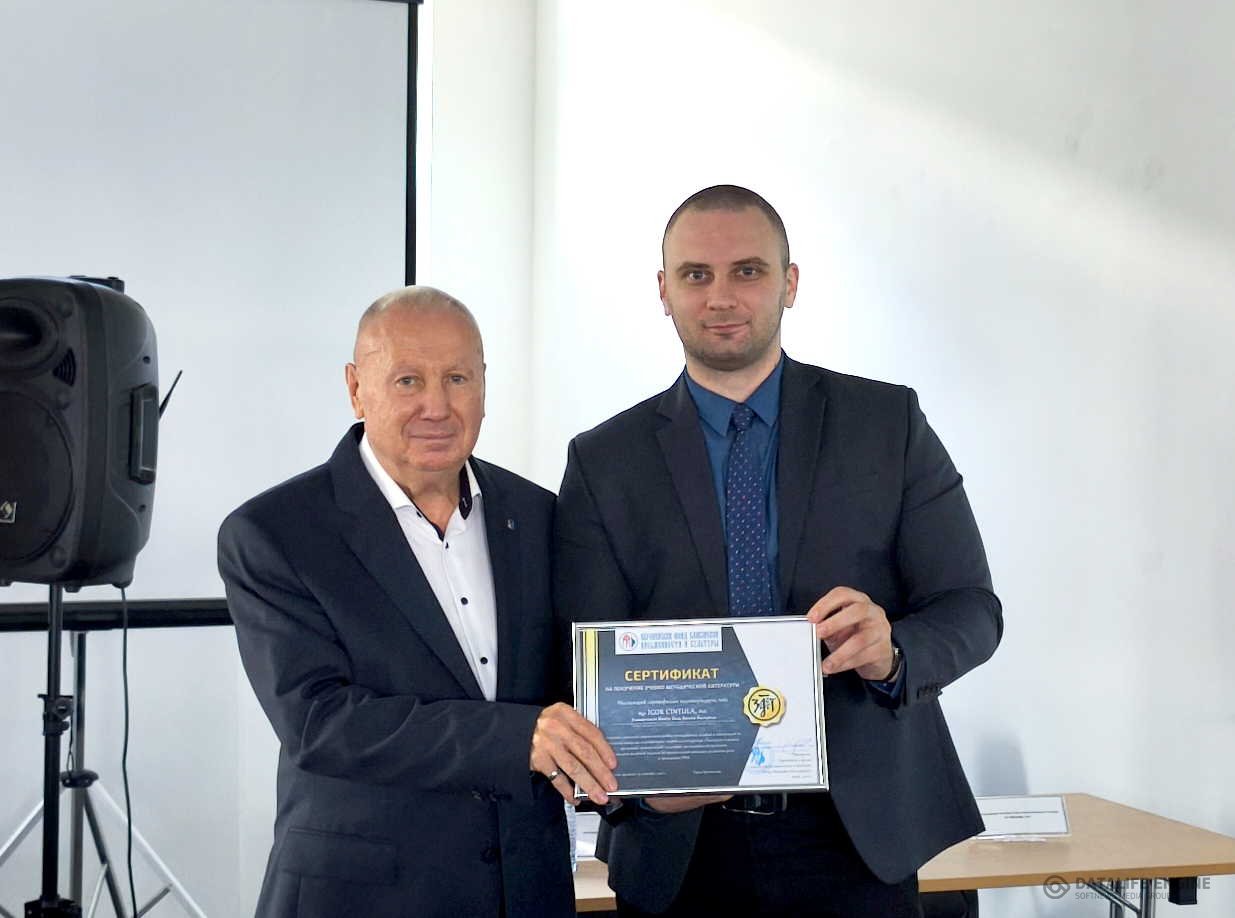
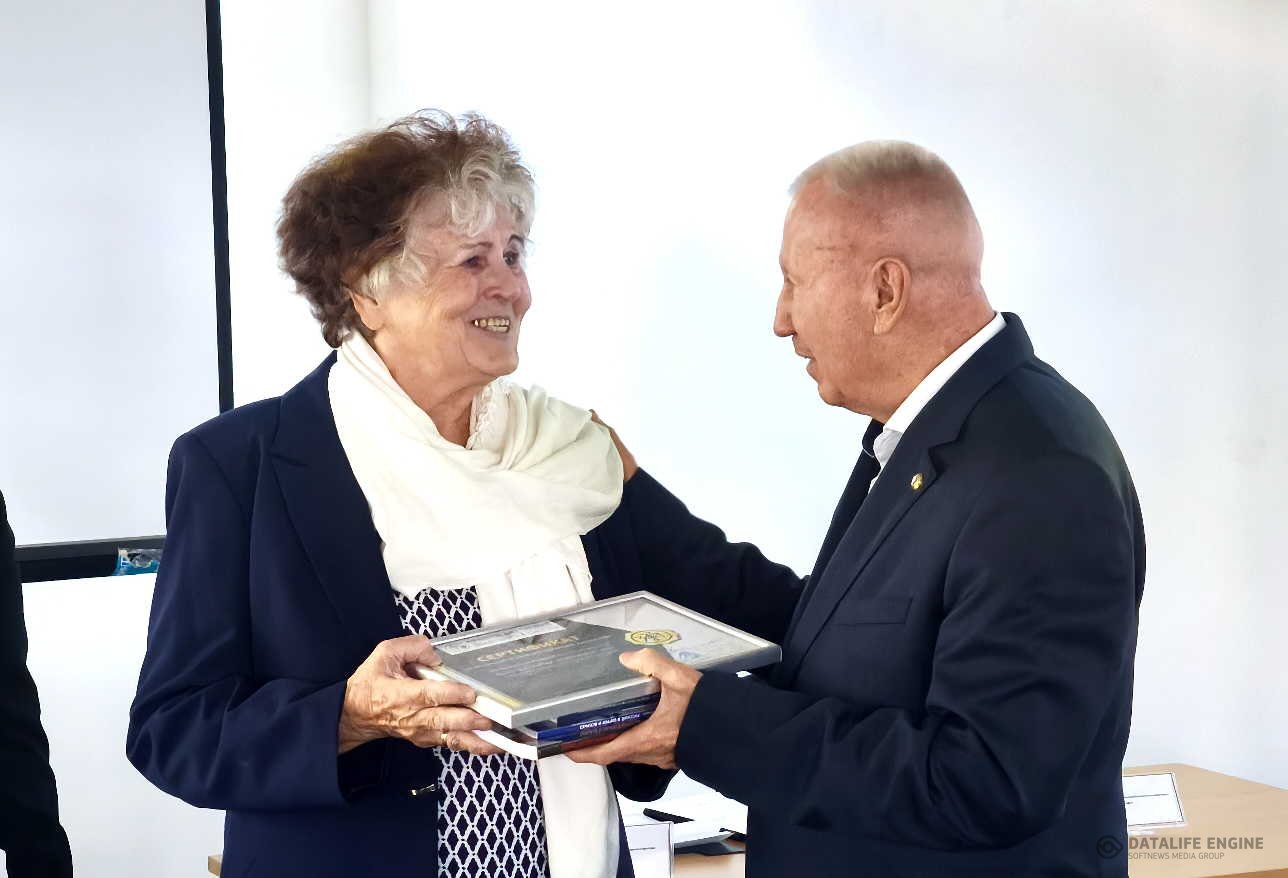
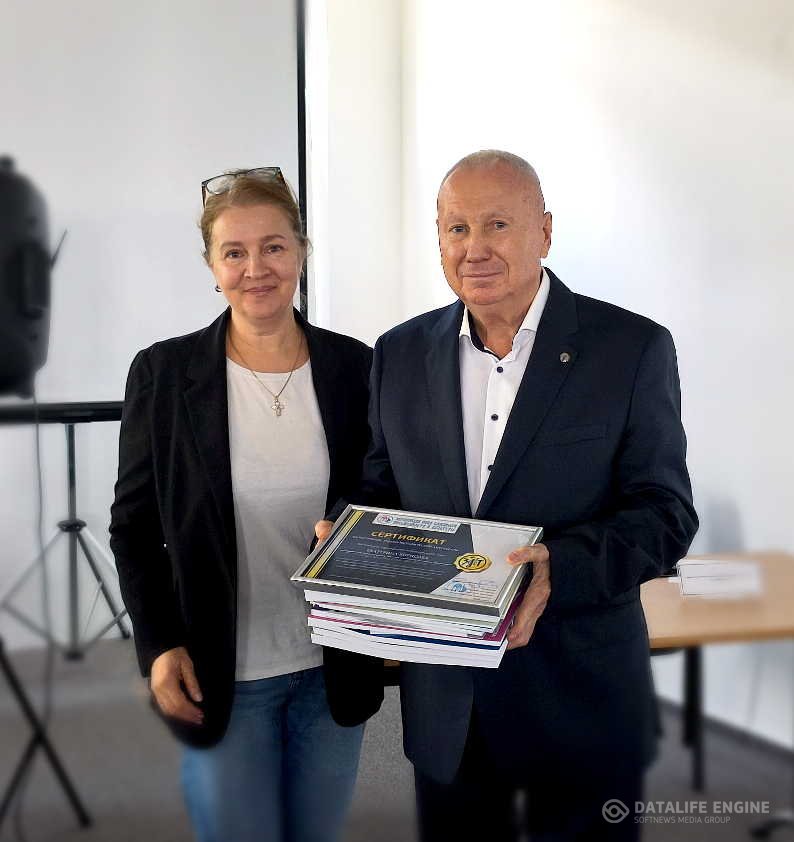
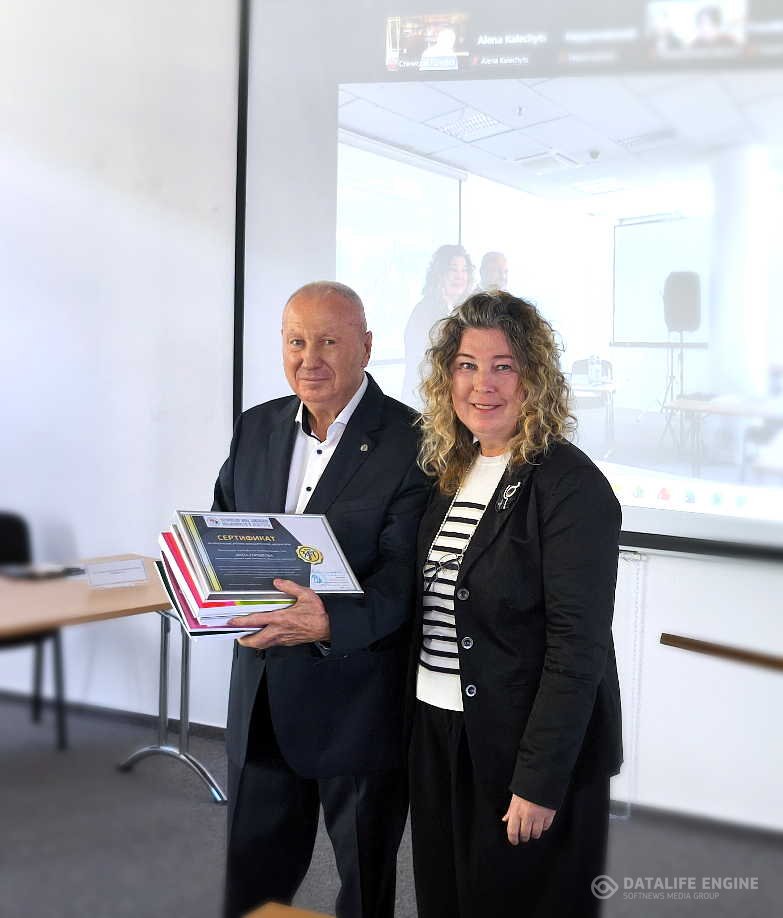
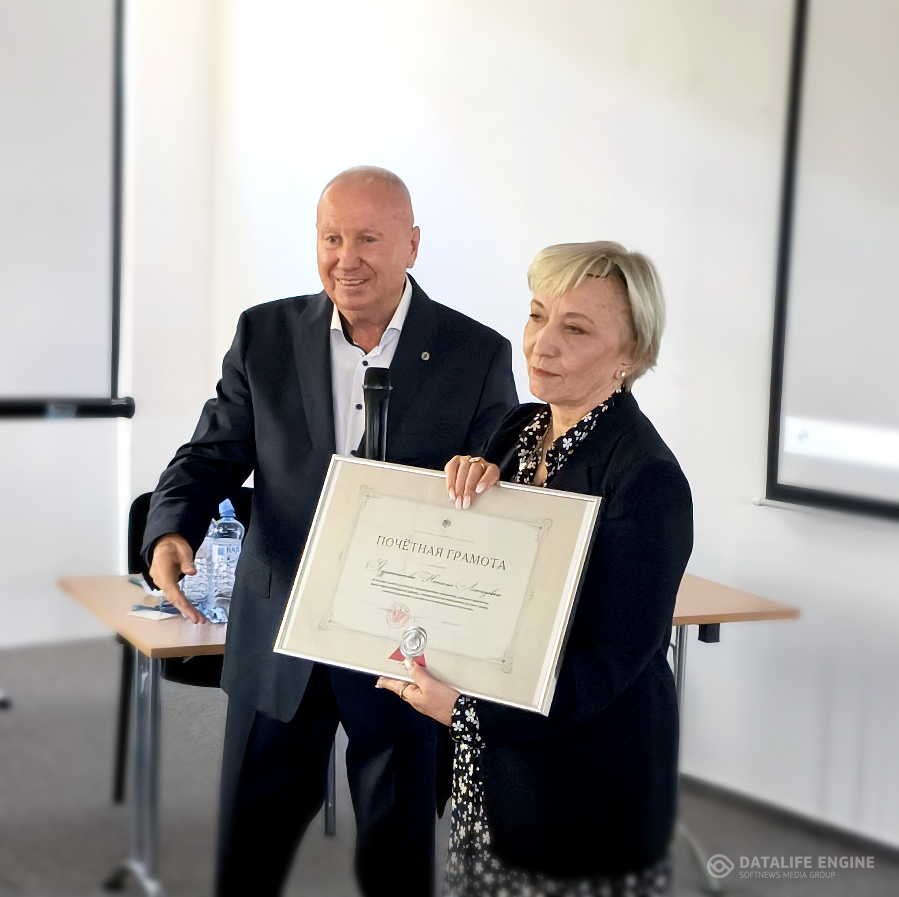
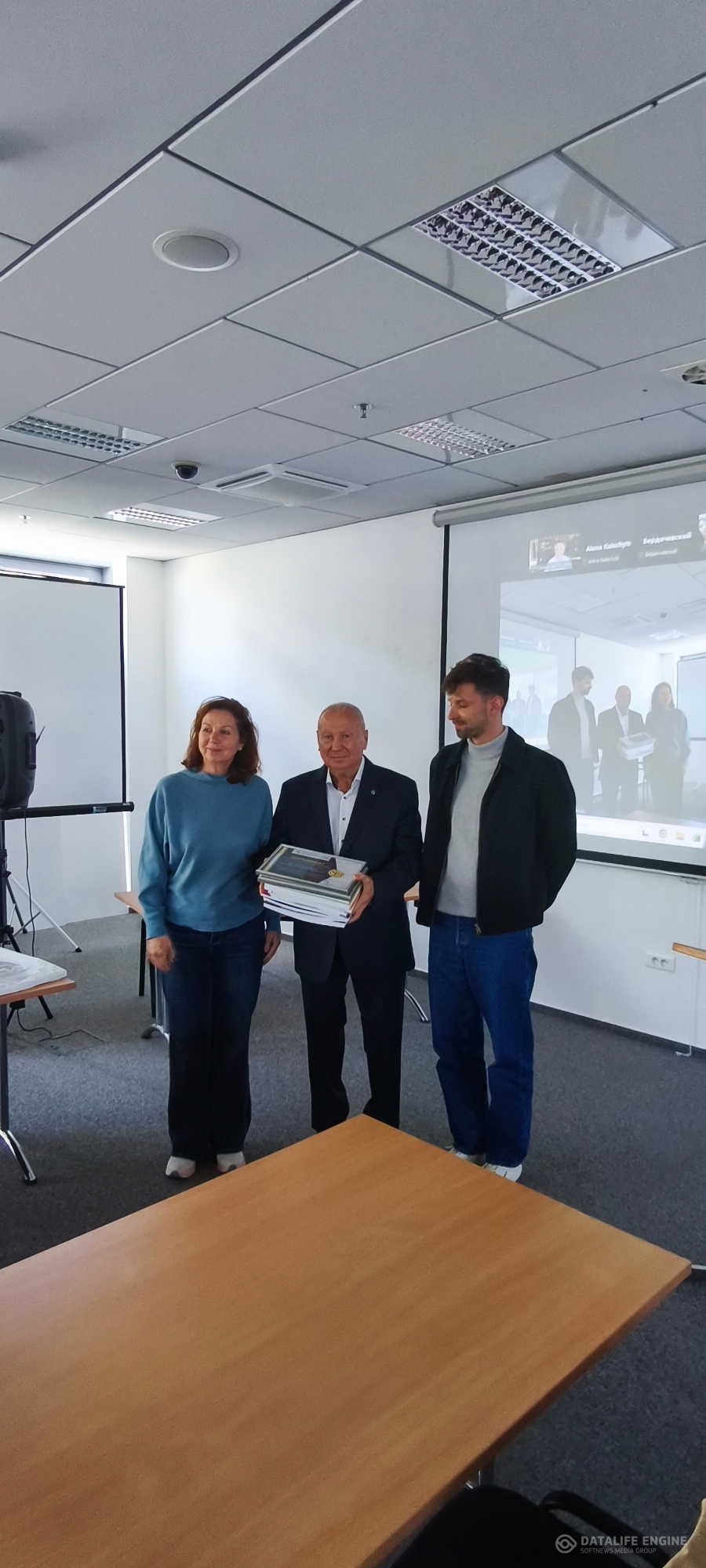
A tangible outcome of the day was the formal donation of educational and methodological literature from Zlatoust to participating academic institutions. These newly acquired volumes will enrich library holdings and be incorporated directly into classroom curricula.
Russian Language Day once again demonstrated its value as an collaborative hub for teachers, curriculum designers, and educational authors working with the Russian language worldwide.
The organizers extend their sincere gratitude to the Zlatoust Publishing House, all presenters, educators, colleagues, and institutional partners who contributed to the event both in person and online.